In recent years, Canada has grown increasingly supportive of entrepreneurs who build within its borders. With ongoing global trade shifts, especially tariffs imposed by the United States, Canada has started to lean more heavily into domestic production. For Indian entrepreneurs looking to enter Canada through business immigration routes, aligning with the “Make in Canada” vision isn’t just patriotic it’s strategic.
How US tariffs have impacted Canadian preferences?
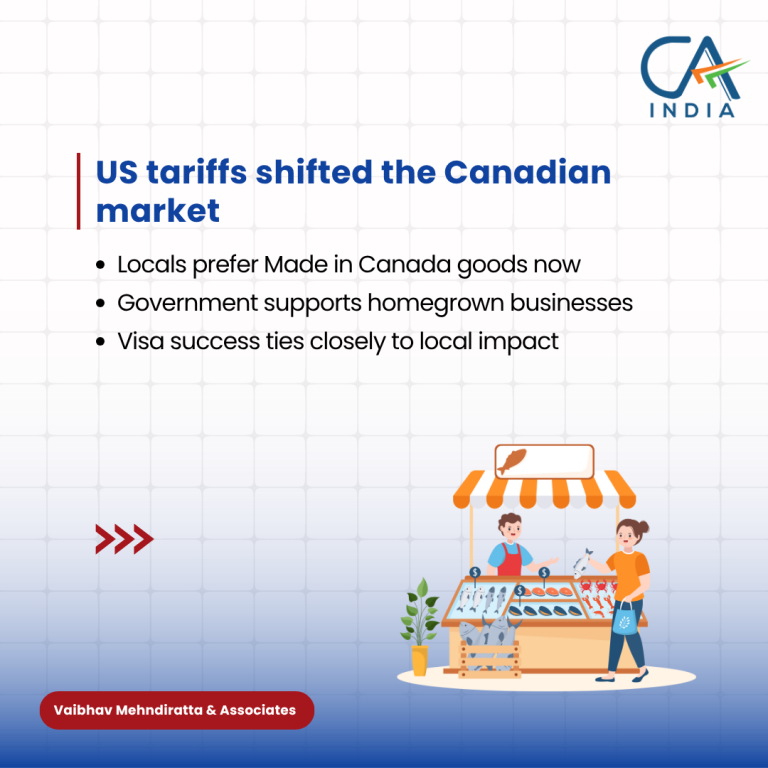
A few weeks after the United States announced fresh tariffs on Canadian imports, consumer sentiment in Canada began to shift. There was a visible preference for goods made within the country. This isn’t just about nationalism it’s about supporting the local economy and reducing dependency on volatile international supply chains.
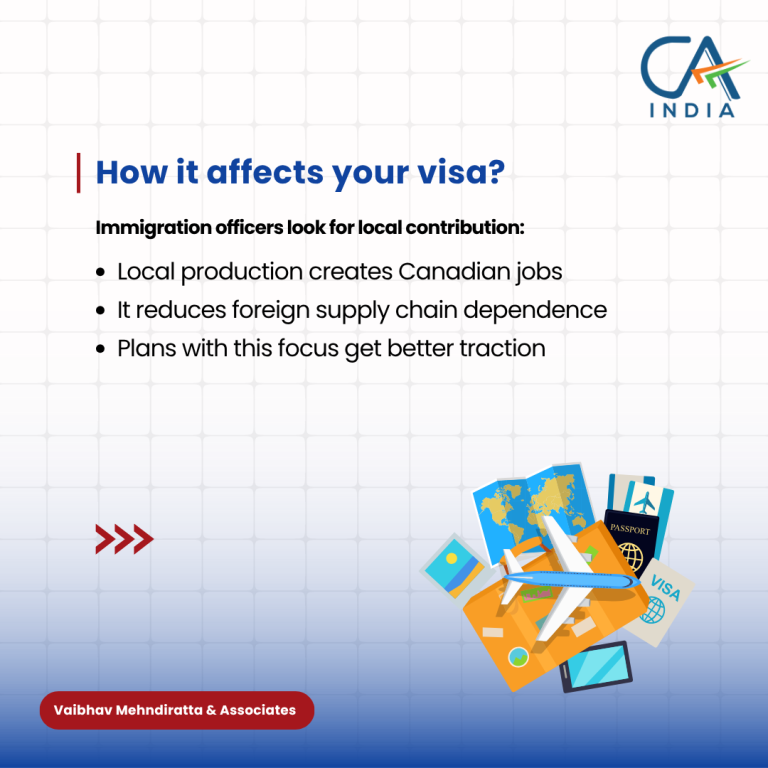
As a result, if your business plan shows a strong commitment to local production whether in manufacturing, assembly, or even packaging it stands a better chance of being supported under programs like the LMIA or Startup Visa. Immigration officers are more likely to favour businesses that reinforce Canada’s economic resilience.
Made in Canada vs imported goods
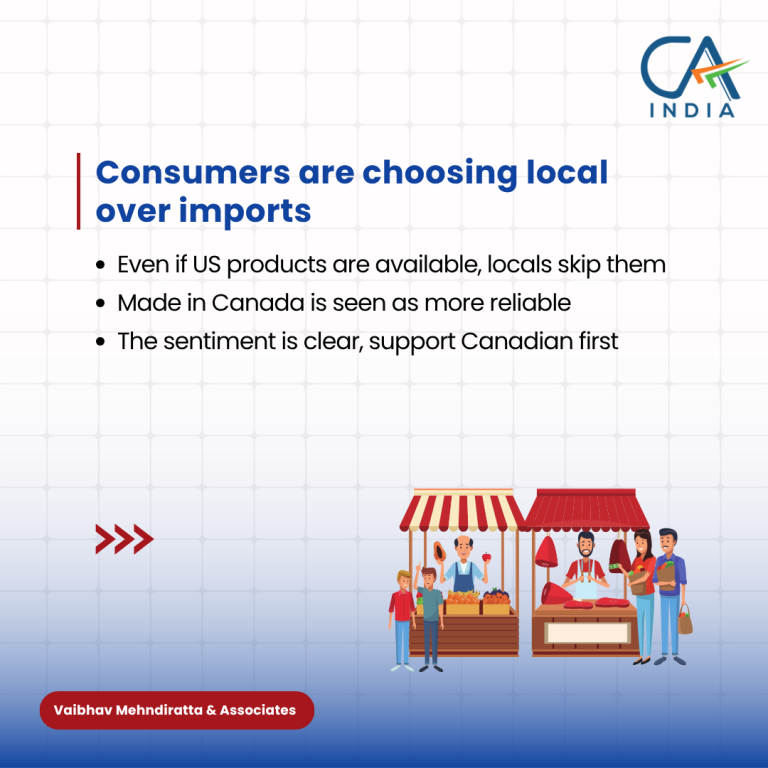
Whether the alternative product comes from the US, Peru, or Chile, Canadian buyers are now consciously choosing local alternatives when they’re available. Even if a product is American-made, many consumers are opting for the Made in Canada version if it matches in quality and price.
For a business visa applicant, this preference becomes an advantage. If your offering is locally produced, or your service supports local supply chains, it strengthens your case not just in immigration paperwork but also in real-world market traction.
The right type of business plans to pursue
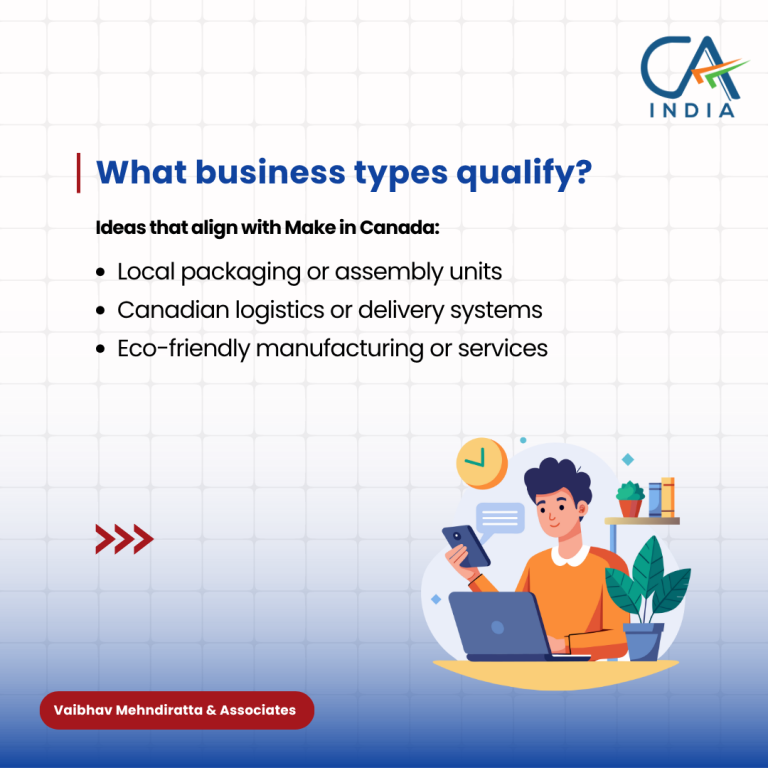
At Antar Immigration, we have helped several entrepreneurs design business plans rooted in Canadian production and services. These include opportunities in light manufacturing, sustainable packaging, local logistics, and more. These ventures are built with both immigration compliance and long-term profitability in mind.
If you’re considering this path, it’s important to start with a plan that not only fits your background but also aligns with Canada’s current trade and consumer dynamics.
Conclusion
Canada today is more invested than ever in strengthening its internal economy. If your business proposal supports the “Make in Canada” vision, it’s not just market-relevant it’s immigration-smart. Rather than relying on foreign imports or distribution-heavy models, focus on solutions that are homegrown, community-centric, and scalable within the Canadian landscape.
Ready to take the next step? Whether you’re in Delhi or Calgary, our team can guide you through the business setup and property acquisition journey in both Canada and the US.
Frequently asked questions
Q1: Does having a “Made in Canada” business model help with visa approvals?
Yes. Immigration officers favour businesses that contribute directly to Canada’s economy, especially those reducing import dependence.
Q2: Is local production mandatory for getting a business visa in Canada?
No, but it significantly improves your chances when your model supports domestic growth and employment.
Q3: What industries are good for “Make in Canada” plans?
Light manufacturing, food packaging, home services, local logistics, and eco-friendly products are popular choices.
Q4: Can I still import some raw materials from abroad in a “Make in Canada” model?
Yes, as long as the core value addition or final output is generated in Canada, it supports your application.
Q5: Does this advantage apply only under LMIA?
No. Both LMIA and Startup Visa programs value locally anchored businesses that enhance Canadian resilience.